


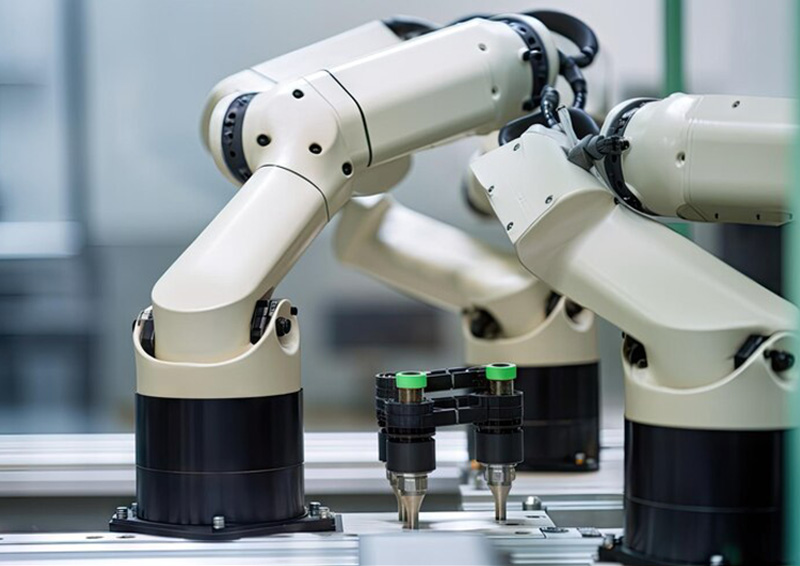
The automotive manufacturing industry is at the forefront of technological innovation, with automation and robotics playing pivotal roles in its evolution. As the industry embraces the future, several key trends are emerging, reshaping how vehicles are designed, produced, and delivered to consumers. These trends not only enhance efficiency and productivity but also pave the way for smarter, more sustainable manufacturing practices.
1. Collaborative Robots (Cobots) on the Rise
One of the most significant trends in automotive manufacturing is the adoption of collaborative robots, or cobots. Unlike traditional industrial robots, which are often confined to specific tasks and areas, cobots are designed to work alongside human workers. These robots are equipped with advanced sensors and AI-driven algorithms that allow them to safely interact with humans, making them ideal for tasks that require a combination of precision and adaptability.
Cobots are being increasingly deployed in automotive plants for tasks such as assembly, quality inspection, and material handling. Their flexibility and ease of programming make them a valuable asset in meeting the demands of customized production and shorter product life cycles. As cobots become more sophisticated, their role in the industry is expected to expand, leading to more efficient and dynamic manufacturing environments.
2. Integration of Artificial Intelligence and Machine Learning
Artificial Intelligence (AI) and Machine Learning (ML) are revolutionizing the way automation and robotics are implemented in automotive manufacturing. AI-powered robots can analyze vast amounts of data in real-time, allowing them to make autonomous decisions and optimize production processes. For instance, AI can be used to predict equipment failures before they occur, reducing downtime and maintenance costs.
Machine learning algorithms are also being used to enhance quality control. By analyzing data from sensors and cameras, AI systems can identify defects or inconsistencies that may not be visible to the human eye. This ensures that only the highest quality components are used in vehicle assembly, improving the overall reliability and safety of the final product.
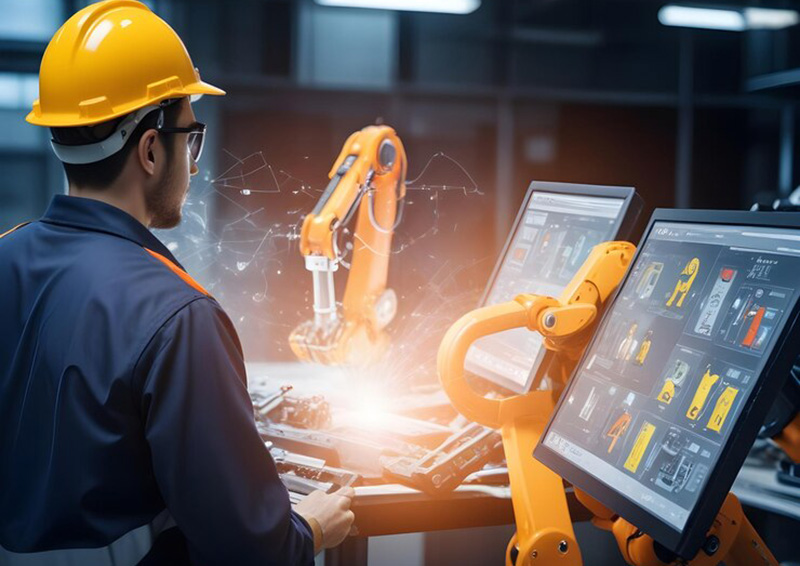
3. Autonomous Mobile Robots (AMRs) and Smart Logistics
Logistics is a critical aspect of automotive manufacturing, and the integration of Autonomous Mobile Robots (AMRs) is transforming how materials and components are moved within factories. Unlike traditional Automated Guided Vehicles (AGVs), which rely on fixed routes, AMRs use AI and sensor technologies to navigate complex environments autonomously. This allows for more efficient and flexible material handling, reducing bottlenecks and improving overall workflow.
AMRs are particularly useful in just-in-time (JIT) manufacturing environments, where the timely delivery of parts is crucial. By streamlining logistics, AMRs contribute to a more efficient production process, ultimately leading to faster vehicle assembly and delivery times.
4. Advanced Robotics in Smart Factories
The concept of the smart factory is becoming a reality, with advanced robotics at its core. In a smart factory, machines, robots, and systems are interconnected through the Industrial Internet of Things (IIoT), enabling real-time communication and coordination. This connectivity allows for the seamless integration of different production processes, resulting in a more agile and responsive manufacturing environment.
Smart factories equipped with advanced robotics can quickly adapt to changes in production demand, customize vehicle features, and even predict market trends. This level of agility is essential in an industry where consumer preferences and technological advancements are constantly evolving.
The future of automotive manufacturing is being shaped by cutting-edge technology trends in automation and robotics. From the rise of collaborative robots and AI-driven systems to the integration of AMRs and the development of smart factories, these trends are revolutionizing the industry. As these technologies continue to evolve, they will drive greater efficiency, flexibility, and sustainability in automotive manufacturing, ensuring that the industry remains competitive in the global market.