


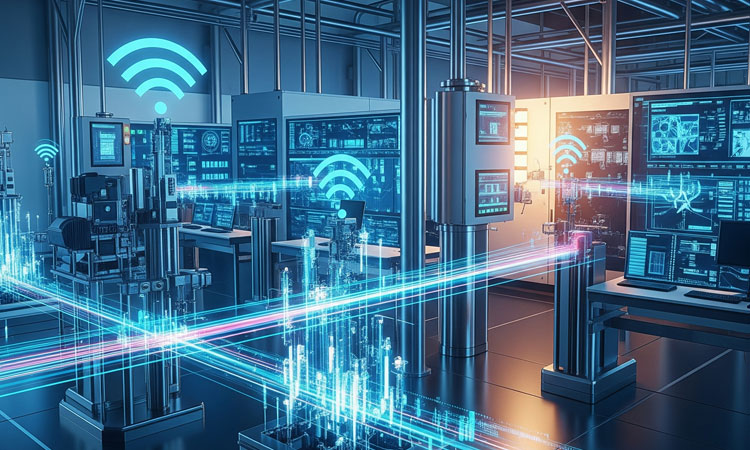
In 2025, Field Instrumentation has emerged as a cornerstone of industrial transformation—evolving from basic measurement tools to intelligent, connected systems that drive operational excellence. As industries face mounting pressure to improve safety, efficiency, and sustainability, smart instrumentation is enabling real-time insights and proactive decision-making at the field level. The global process automation and instrumentation market, valued at USD 77.01 billion in 2025, is projected to grow to USD 100.11 billion by 2030, with field instruments commanding a strong 44% share in 2024. This growth is fueled by breakthrough innovations from leading technology vendors and a shift toward intelligent, autonomous operations.
Key Innovations Driving the Market
AI-Driven Smart Sensors
Field devices are being infused with Artificial Intelligence and Machine Learning, transforming them into predictive, self-diagnostic systems. Companies like Emerson, Endress+Hauser, and Siemens are leading this charge, delivering sensors that go beyond data collection. These instruments can now detect anomalies, forecast equipment failure, and recommend corrective actions—all in real time. Predictive maintenance enabled by AI has already shown a 30% reduction in downtime, drastically improving productivity and reducing maintenance costs.
Wireless and Battery-Powered Devices
Wireless instrumentation is gaining rapid traction, with 32% of new systems in 2025 integrating wireless connectivity. Solutions based on WirelessHART and ISA100.11a are helping cut installation and cabling costs by up to 28%, especially in hard-to-access or hazardous areas such as offshore oil rigs or large-scale agriculture fields. Vendors are focusing on extending battery life, enhancing communication reliability, and simplifying deployment.
Edge-Enabled Field Devices
To overcome latency and bandwidth challenges, field instruments are increasingly equipped with edge computing capabilities. These devices process data locally, enabling split-second decisions without relying on cloud connectivity. A smart flow meter, for instance, can detect irregular patterns and initiate alerts or actions within milliseconds. Adoption of edge-enabled devices grew 34% in 2025, particularly in sectors requiring ultra-low latency and high reliability.
Multi-Variable Transmitters & Advanced Diagnostics
Devices capable of measuring multiple parameters—like pressure, flow, and temperature—simultaneously now represent 29% of new installations. These not only reduce equipment count but also offer a comprehensive understanding of process dynamics. Integrated diagnostics further simplify troubleshooting by detecting sensor drift, wiring faults, or process disruptions before they escalate.
Built-In Cybersecurity Features
With increased connectivity comes a higher risk of cyber threats. Vendors are embedding security into the devices themselves—using secure boot processes, encrypted communication protocols, and device-level authentication. These features are crucial for maintaining the integrity and reliability of operations in connected industrial environments.
Future Impact on Key Industries
Oil & Gas: Over 60% of offshore rigs now use advanced, corrosion-resistant, and vibration-tolerant field instruments. These systems have helped achieve a 28% increase in uptime and a 25% reduction in failures, providing critical insights for optimizing refining, drilling, and distribution.
Chemicals: Making up 26% of the process instrumentation market, this sector leverages multi-variable transmitters to monitor complex reactions. Field instrumentation plays a vital role in ensuring safety, minimizing waste, and maintaining consistent product quality.
Water & Wastewater: With 22% market share, smart instruments are used to monitor effluent levels and chemical dosing. Real-time data from flow and level sensors has cut process variability by 31%, supporting regulatory compliance and efficient resource use.
Pharmaceuticals: As the pharma sector grows at a CAGR of 7.5%, the demand for high-precision, traceable instrumentation rises. Intelligent sensors with self-calibration and enhanced diagnostics ensure compliance, sterility, and product consistency in modular and personalized manufacturing environments.
Field instrumentation in 2025 is not just about precision measurement—it’s about empowering smarter, safer, and more sustainable operations. With AI, edge intelligence, wireless technology, and built-in cybersecurity, today’s field devices are redefining industrial automation. For end-user industries, the future lies in leveraging these innovations to reduce risk, boost efficiency, and stay ahead in a fiercely competitive global market.