


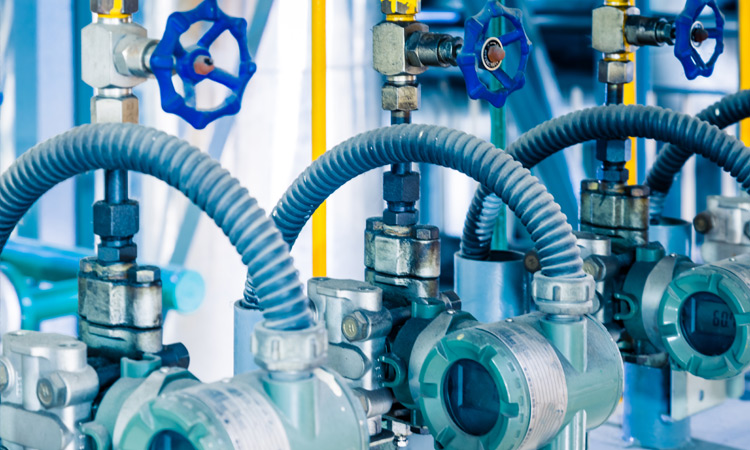
As we move through 2025, valve automation is no longer just about opening and closing flow paths—it’s about driving intelligence, precision, and connectivity deep into industrial operations. Once a passive component, the automated valve has evolved into a central player in smart industrial ecosystems. With rising demands for efficiency, safety, sustainability, and digitalization, valve automation is becoming critical to process optimization across sectors. The global automated valves market, valued at approximately USD 15 billion in 2025, is forecasted to grow at a strong CAGR of 7%, reaching USD 25 billion by 2033.
Emerging Technologies from Leading Vendors
AI-Enabled Smart Valve Controllers
Digital valve positioners embedded with AI and machine learning are redefining how valves operate. Companies like Emerson, Siemens, and Honeywell are rolling out intelligent control systems capable of real-time diagnostics, self-calibration, and predictive maintenance. These smart valves adjust to process conditions dynamically, reducing manual intervention, minimizing downtime, and optimizing throughput.
Wireless Connectivity & IIoT Integration
Wireless technologies such as WirelessHART, ISA100.11a, and 5G are transforming how valves communicate within industrial frameworks. With 45% of industrial valves expected to feature IoT connectivity by 2025, remote operations and centralized data analysis have become the new standard—especially in hazardous or remote environments. This is creating a burgeoning smart valve market estimated at USD 12 billion.
The Rise of Electric Actuators
Electric actuators are steadily replacing pneumatic systems due to their superior precision, lower energy consumption, and ease of integration with digital control systems. These actuators eliminate air leaks and maintenance associated with compressed air, offering a more sustainable solution for industries focused on energy efficiency.
Advanced Materials & Additive Manufacturing
New-age materials such as nickel alloys, composites, and ceramics are extending the durability of valves in extreme environments. Simultaneously, 3D printing allows for highly customized valve designs with complex geometries, reducing lead times and improving performance across specialized applications—from LNG to aggressive chemical processing.
Edge-Level Cybersecurity
With greater connectivity comes increased vulnerability. To address this, valve vendors are embedding cybersecurity directly into their devices—incorporating secure boot processes, encrypted communications, and built-in threat detection. This is essential for safeguarding critical infrastructure against digital intrusions.
Future Scope Across Key Sectors
Oil & Gas
Valve automation is enhancing safety, flow control, and leak detection in upstream and downstream processes. Remote valve actuation in hazardous zones is improving worker safety and operational responsiveness.
Water & Wastewater
With water management under regulatory and environmental scrutiny, smart valves now play a central role in flow regulation, leak detection, and chemical dosing. The smart water valve segment is expected to hit USD 5 billion by 2032, growing at 8% CAGR.
Chemicals
Precise control of aggressive and reactive fluids is essential in chemical plants. AI-driven valves enable safer dosing, minimize waste, and contribute to emissions reduction—targeting efficiency and compliance simultaneously.
Power Generation
From thermal plants to renewable setups, valve automation ensures efficient management of steam, cooling systems, and carbon capture operations. Innovations in CO₂-resistant valves are crucial for next-gen energy technologies.
Food & Beverage
Hygienic valve systems ensure sterile processing, accurate ingredient dispensing, and temperature control—vital for quality assurance and regulatory compliance.
In 2025, valve automation has become a symbol of intelligent control—merging operational excellence with digital foresight. For industries aiming to stay competitive and sustainable, adopting these technologies is not just an option—it’s imperative.